Ants and cockroaches
Food residue, moisture and small gaps can contribute to activity around kitchens, sinks, cabinets and appliances.
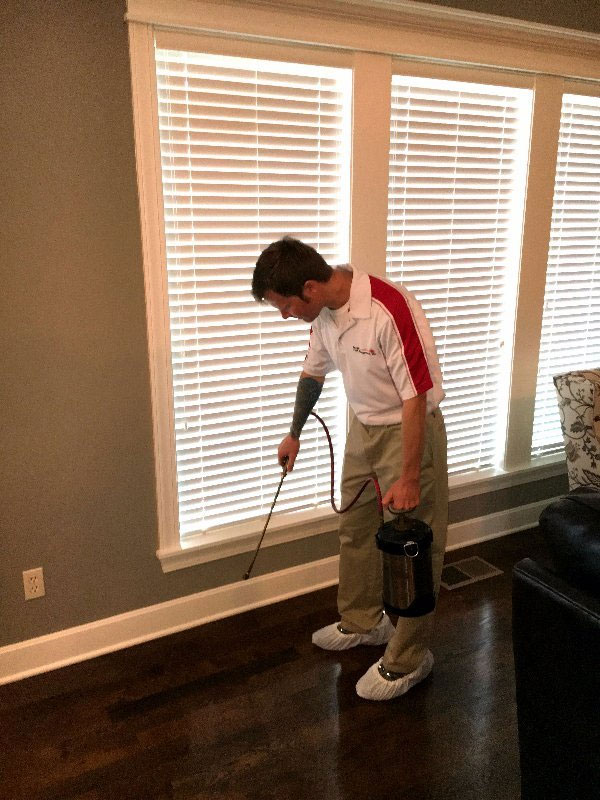
Pest control
Explore treatment options for ants, spiders, cockroaches, house crickets, mice, earwigs, silverfish, clothes moths, centipedes, millipedes and termites.
Kitchen, bathroom, pantry and storage conditions can shape where a household pest finds an attractant or sheltered route. Identification helps distinguish the needs of each allowed pest.
Common work
Options depend on the home, the work involved and the participating provider.
Food residue, moisture and small gaps can contribute to activity around kitchens, sinks, cabinets and appliances.
Indoor corners, closets and less-disturbed storage areas can offer shelter. A targeted plan considers those hiding places and nearby food sources.
Signs around pantry shelves, wall edges or stored materials can call for a household assessment and attention to entry paths.
These pests may be noticed near utility spaces, doors or damp areas. Dry conditions and entry points can be relevant to a household plan.
Stored paper, fabrics and quiet closets are useful places to check when these pests appear indoors. Storage conditions can inform prevention steps.
Each has different indoor conditions and habits. Identification helps determine the appropriate treatment and any useful follow-up.
Conditions by room
Room use, moisture and storage conditions can help explain where a permitted household pest is active.
Ants, cockroaches, house crickets and mice may be drawn to accessible food or water.
Silverfish, earwigs, centipedes and millipedes can be associated with damp, sheltered spaces.
Clothes moths and silverfish may be found near stored fabrics or paper.
Spiders and house crickets use sheltered gaps; termites may be associated with mud tubes or discarded wings.

Room-by-room approach
A kitchen trail, a quiet closet and a damp utility corner call for different observations. Note where the pest appears, whether it returns, and any nearby food or moisture so a provider can focus the assessment.
Practical household prevention
Small changes to storage and room conditions can make common indoor attractants less available.
Wipe crumbs from cabinet corners and keep dry goods in sealed containers.
Dry sink bases and laundry-area surfaces; address a persistent indoor drip.
Keep stored fabrics clean and dry, with room to inspect closet floors and edges.
Close gaps around utility penetrations and keep door edges fitted to their frames.
Questions and answers
Practical answers about the work and equipment.
The listed household pests use different food sources and shelter. Identification helps match the plan to the activity.
Closed containers and clean preparation areas reduce accessible food that can attract ants, cockroaches, house crickets and mice.
Sealed food storage, prompt cleanup and addressing damp areas can make kitchens and utility spaces less inviting.
Provider service areas and accepted pest lists vary by location.
Next step
Call to discuss participating service for the pests and room conditions covered on this page.