Drain clearing
Kitchen sinks, bathroom basins, tubs and showers can slow as residue gathers along the drain path. A provider can assess the fixture and connected household piping.
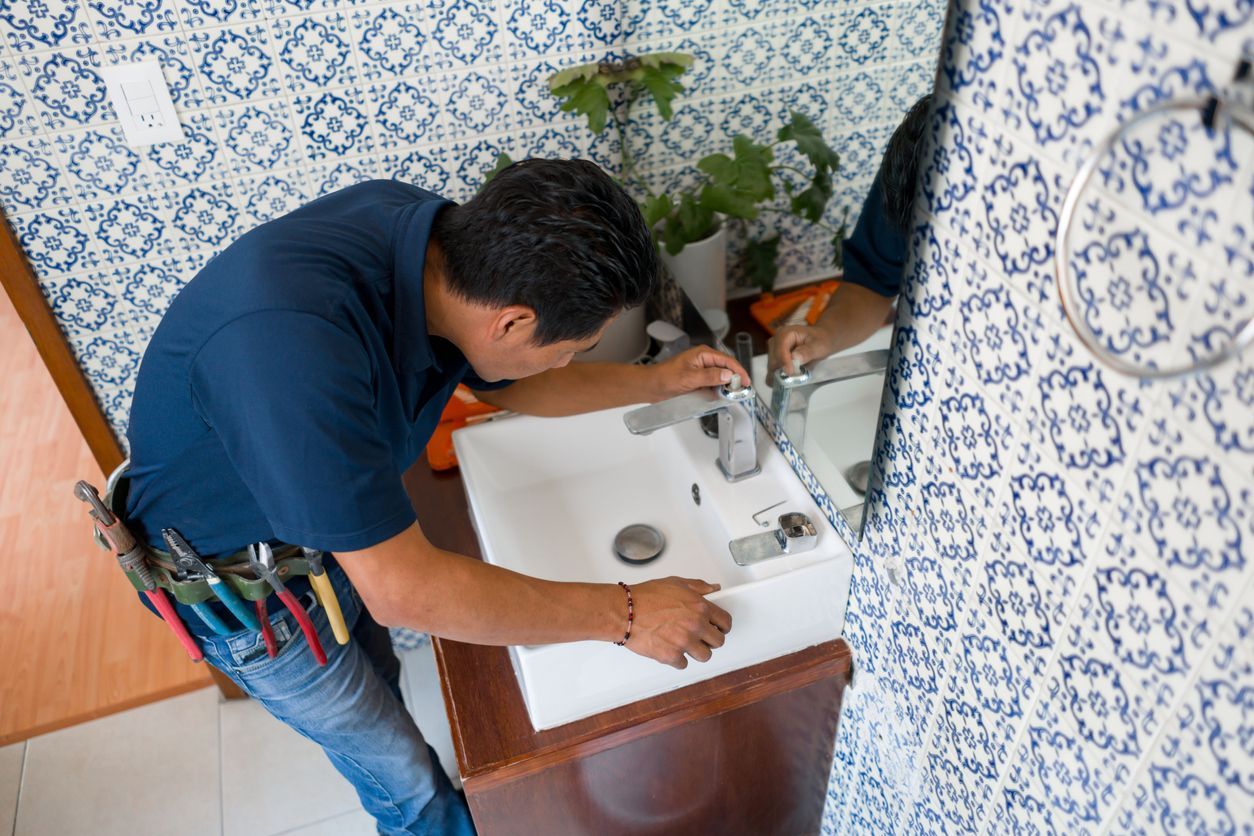
Plumbing
Drains, faucets, toilets, household pipes and water heaters each serve a different part of the home. Explore service for kitchen, bathroom and utility-room plumbing.
Kitchen sinks, bathroom fixtures and utility areas have different connections. The fixture, shutoff valves, trap and branch piping each play a distinct part.
Common work
Options depend on the home, the work involved and the participating provider.
Kitchen sinks, bathroom basins, tubs and showers can slow as residue gathers along the drain path. A provider can assess the fixture and connected household piping.
Drips, loose handles, worn cartridges and new sink installations are common kitchen and bathroom requests. The faucet, shutoff valves and drain connections all affect the work.
A toilet that runs between uses, refills repeatedly or flushes weakly may need attention to its tank parts, supply connection or fixture fit.
Supply lines, drain connections and accessible household piping can be assessed when moisture or a change in water flow appears near a fixture.
Tank and tankless systems have different capacity, fuel and installation requirements. A provider can review hot-water needs and the equipment in place.
Faucets, sinks, toilets and disposals need compatible fittings and suitable clearance for the connected plumbing.
A room-by-room guide
The room and appliance determine how supply fittings, drains and available space come together.
Faucet supplies, sink traps and dishwasher connections use different fittings.
Toilets, shower valves, sinks and tubs each have their own fixture components.
Washer supply hoses and the standpipe drain serve separate flows and need compatible hookups.
Tank and tankless equipment have different utility and capacity requirements.
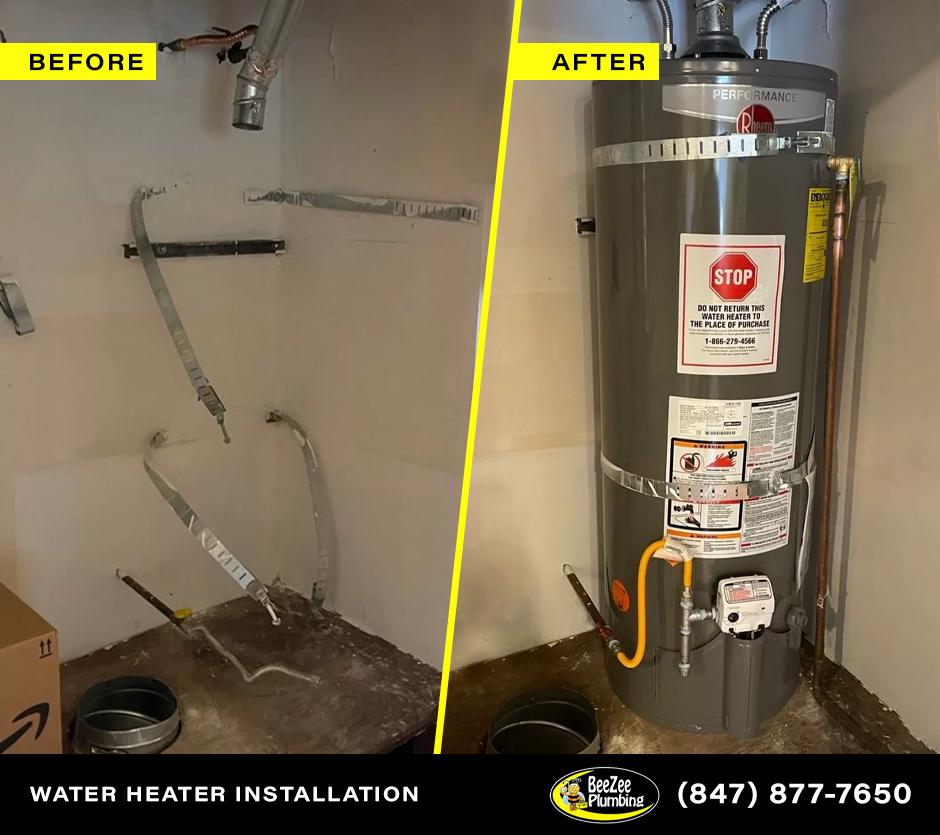
Hot-water equipment
The number of bathrooms, simultaneous hot-water use, available fuel and installation space all shape a water-heater choice. Tank and tankless models have different requirements, so the existing utility area matters as much as the equipment label.
Two paths through the home
A fixture connects to both sides of a household plumbing system, but each side works differently.
Valves and pressurized pipes deliver water to a faucet, toilet, appliance or water heater.
A trap and connected branch pipe carry wastewater away from the fixture.
Questions and answers
Practical answers about the work and equipment.
Buildup may remain farther along the drain path after surface debris is removed. A provider can check the affected fixture and connected piping.
Often the faucet and sink are evaluated separately. The sink opening, fittings and available shutoff valves determine which faucet styles will fit.
Capacity, fuel, venting, household use and available space all matter. A provider can assess the existing installation and discuss suitable options.
Fixture installation may include checking the supply connection, drain fit and clearance around the toilet. Scope depends on the bathroom and selected model.
Next step
Call to discuss drains, fixtures, pipes or hot-water equipment with a participating provider.